Why honeycomb cells earn their keep
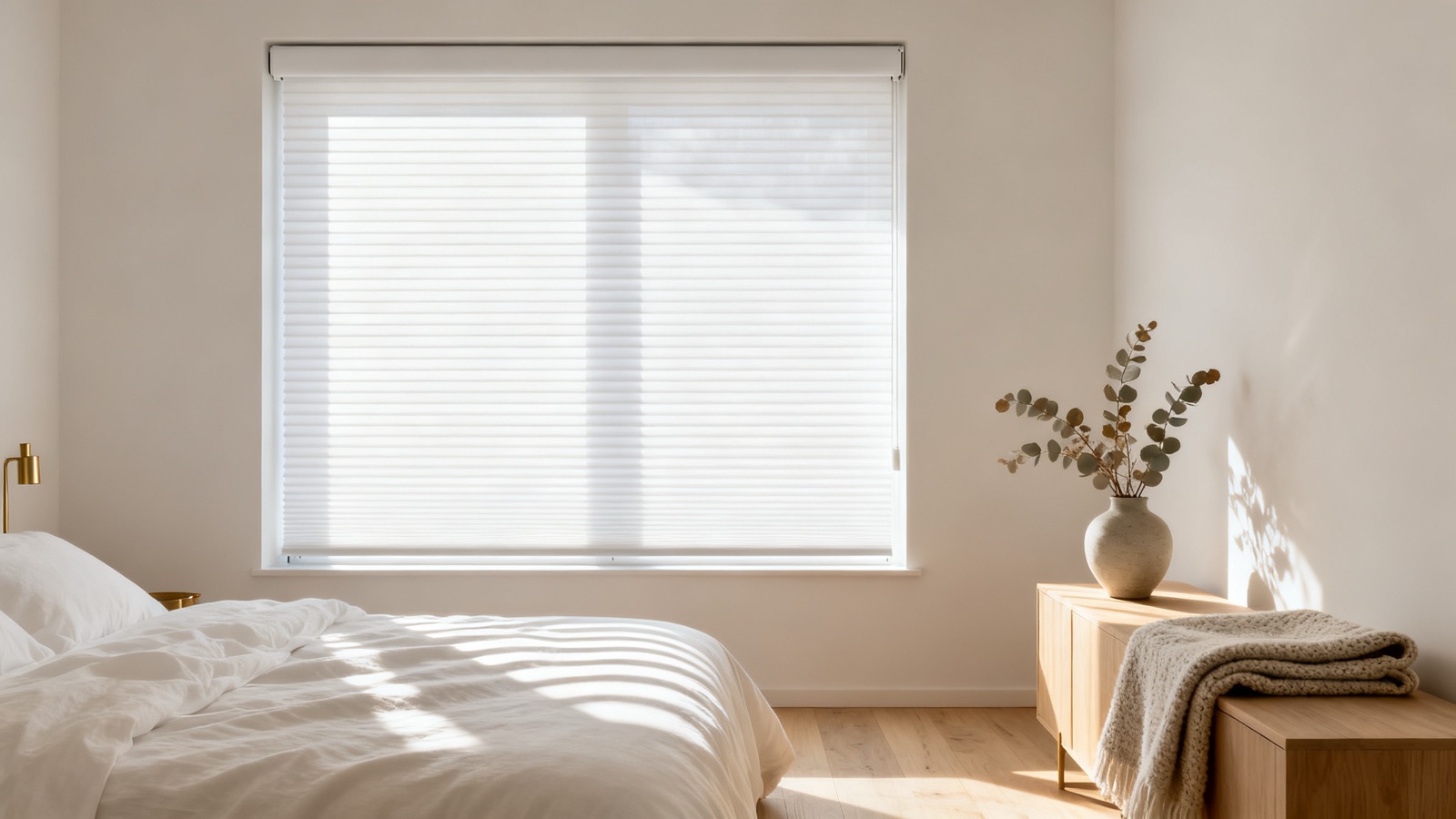
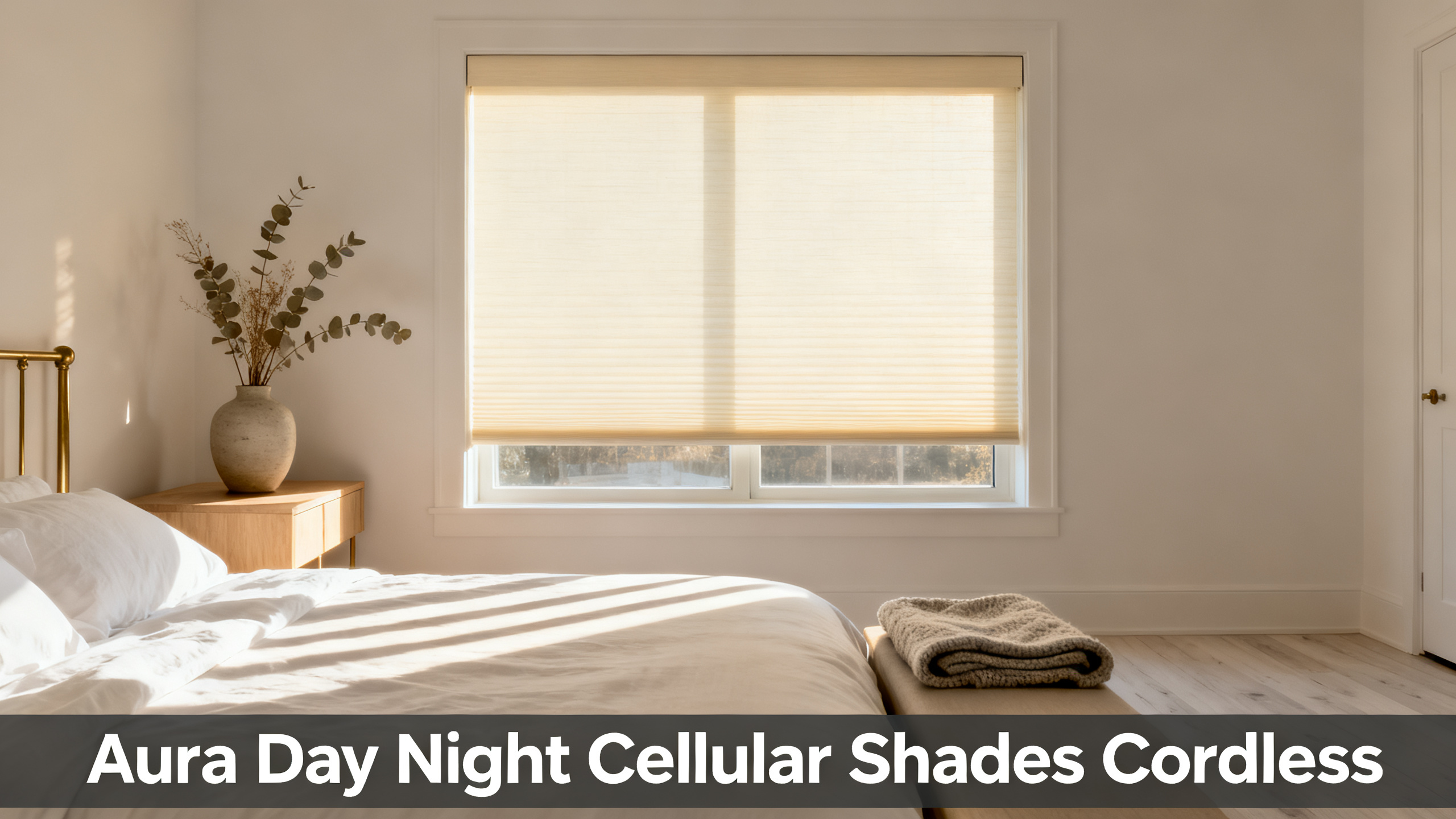
Cellular shades are the only window treatment we test that pays rent through physics: trapped air in the honeycomb adds real insulation at the glass. The cellular buying guide matches cell size and opacity to each room, and the Aura day-night review covers the 225 gsm double-function version our bedroom picks build on.
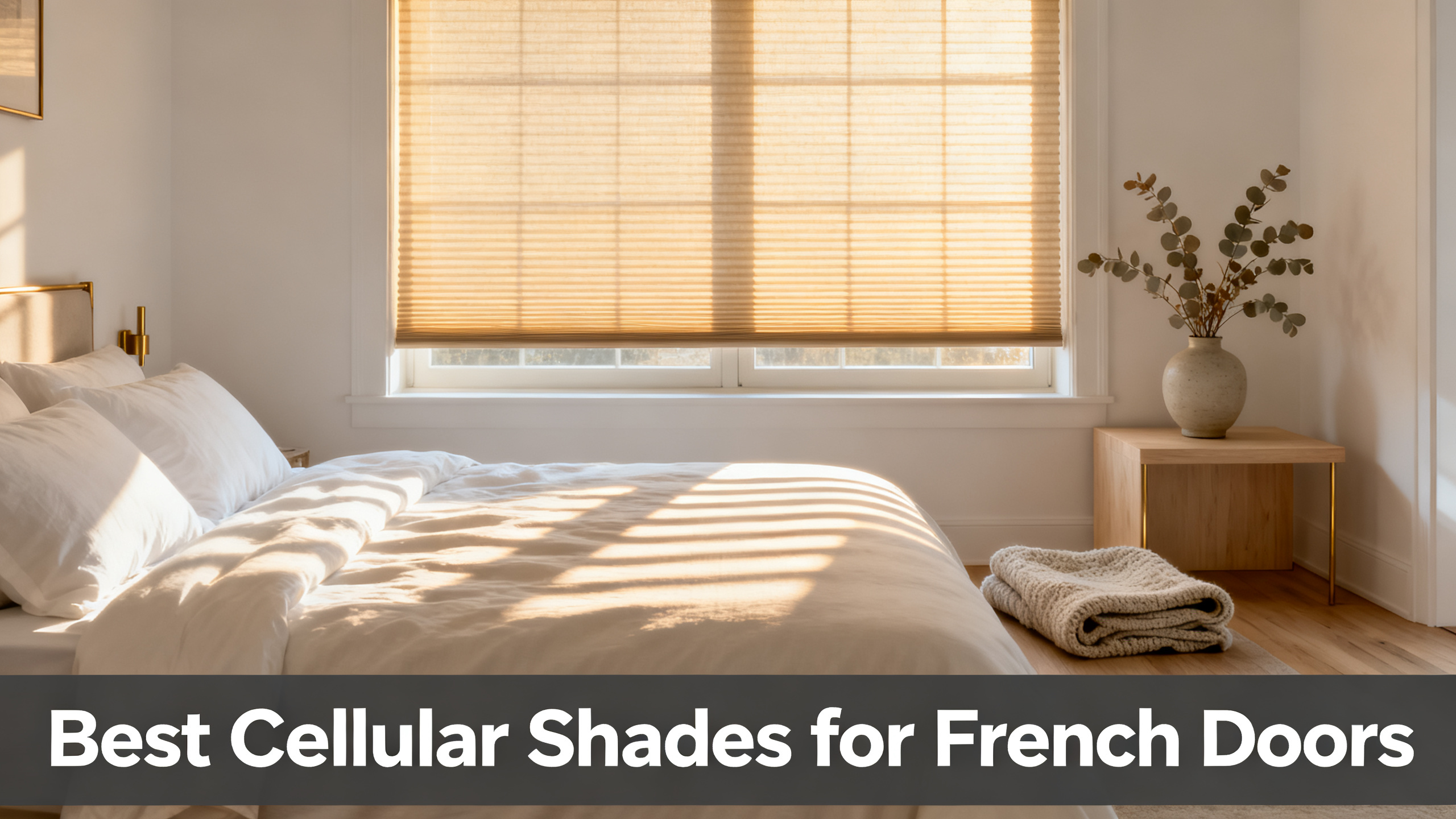
They also solve awkward glass: the french door picks mount cordless and shallow where nothing else fits. For softer looks at the same windows, compare with roman shades; for automation, the same fabrics exist in motorized versions.
Quick answers
Do cellular shades really insulate?
Yes: the honeycomb air pocket measurably cuts heat transfer at the glass, the weakest thermal point of a room. Double-cell versions add more insulation in exchange for a slightly thicker stack.
Single or double cell, which is better?
Double cell for insulation-first rooms and big glass, single cell for smaller windows and tighter budgets. Our tests put the real-world difference at meaningful but not dramatic.
How do you clean cellular shades?
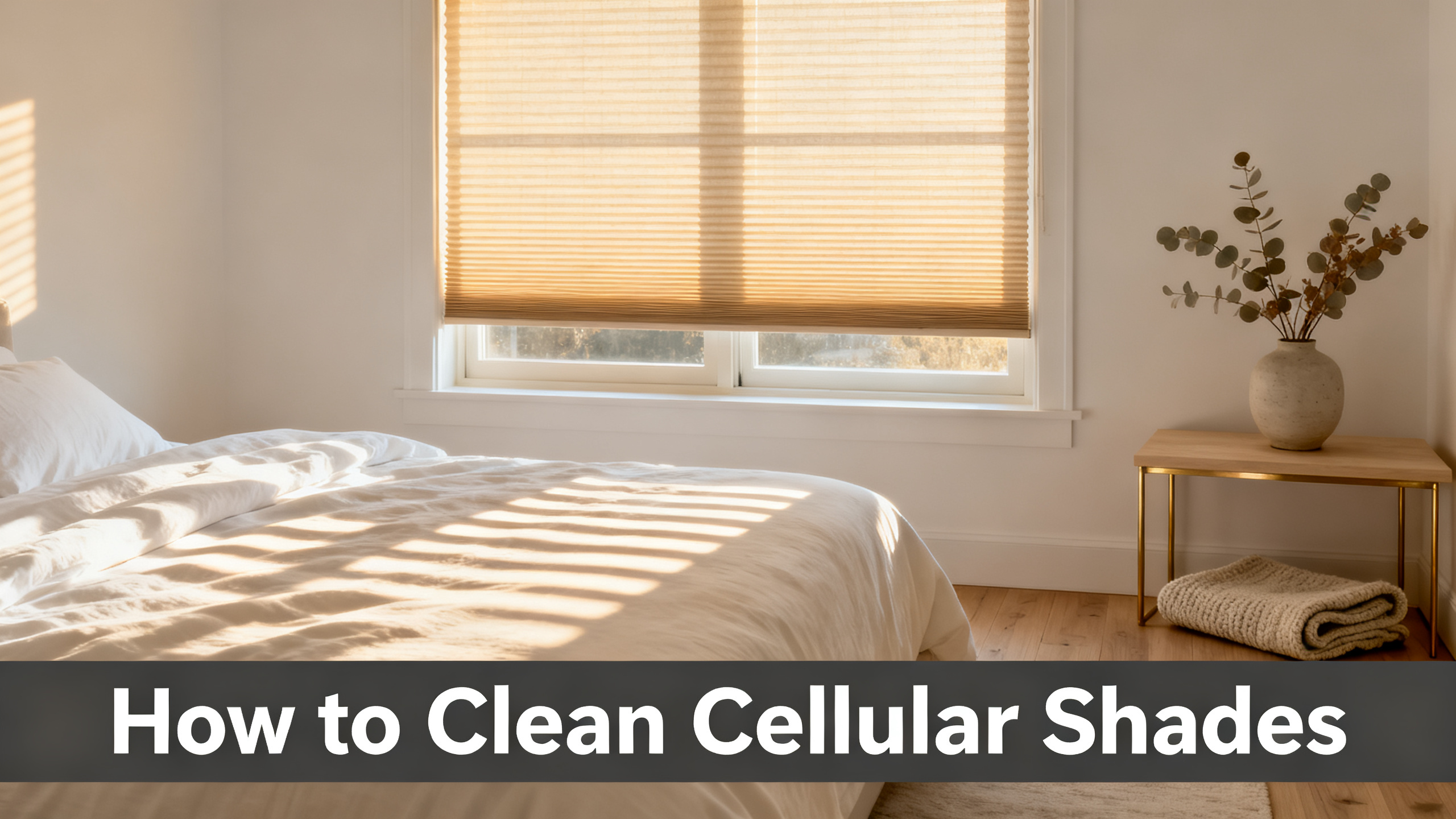
Vacuum with a brush head and spot-clean; never soak the honeycomb. The 6-step protocol we published keeps the cells crisp through years of dust.