Velvet curtains, what our testing keeps showing
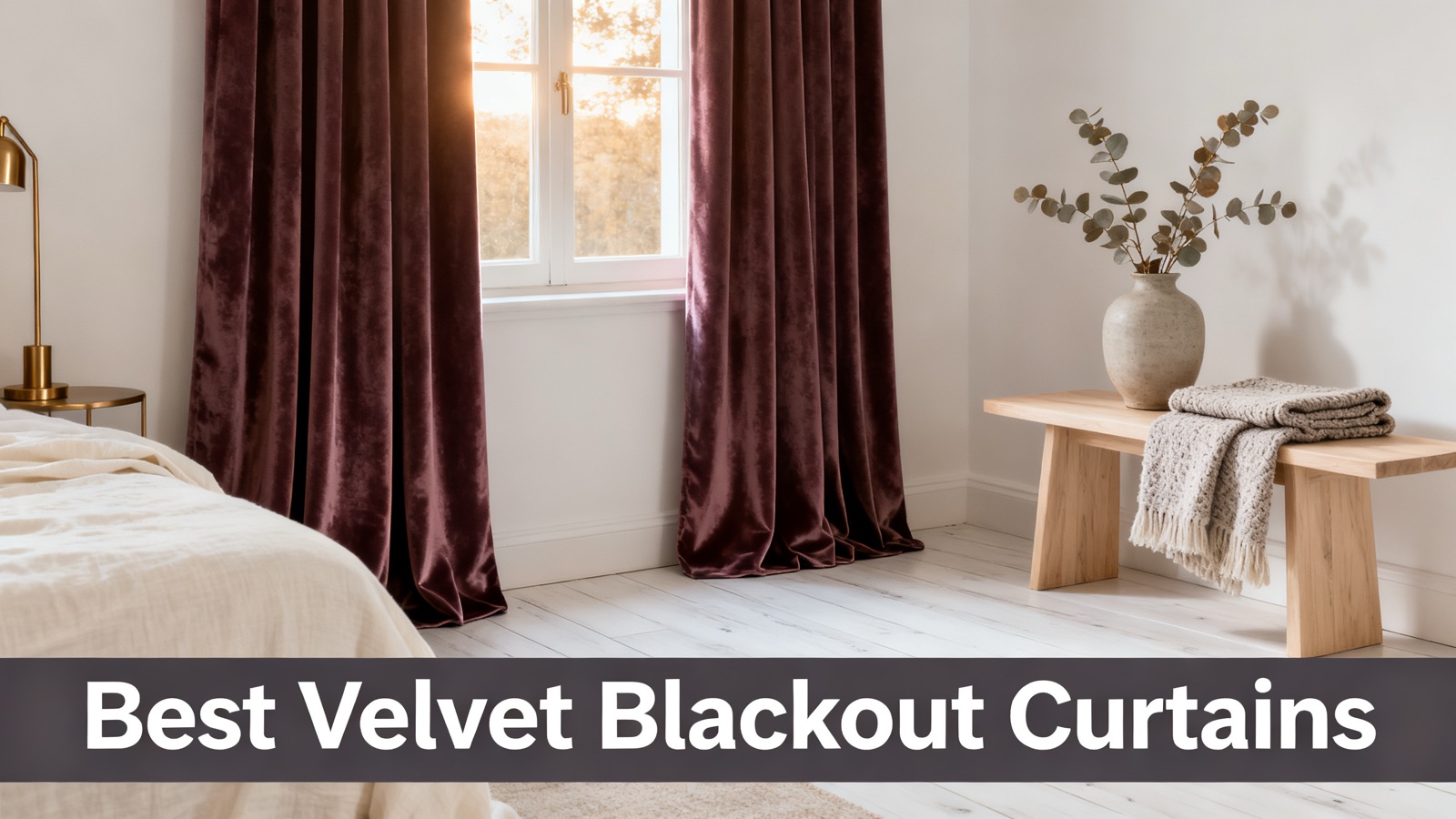
Every velvet panel we review is scored on the same three numbers: fabric weight (280 to 300 gsm on the Two Pages velvets we test), light block before lining (90 to 95 percent), and real cart price per panel. That is why a velvet that photographs beautifully can still lose a verdict: below 280 gsm the folds collapse, and above roughly $120 a panel you should be getting a thermal or blackout liner included. Our current picks live in the velvet blackout roundup, and the Birkin pleated review is the reference test most comparisons start from.
Where velvet earns its price: media rooms, drafty windows and echoey spaces, because the dense pile adds measurable insulation and sound dampening that lighter fabrics cannot match. Where we tell readers to skip it: kitchens and humid bathrooms, where a linen or cotton panel is easier to live with.
Quick answers
Do velvet curtains block light without a blackout liner?
Unlined 300 gsm velvet blocks 90 to 95 percent of light, enough for living rooms but not for a fully dark bedroom. For morning-proof darkness you need the 100 percent blackout liner add-on, which is what our bedroom picks are scored with.
Are velvet curtains hard to maintain?
Easier than their reputation: a handheld steamer handles creases and refreshes the pile in minutes. What they do not forgive is a washing machine, so budget for occasional dry cleaning on heavily used panels.
What weight should a good velvet curtain be?
Look for 280 to 300 gsm. Lighter velvets drape like polyester and let the window frame show through the pile; heavier ones need a sturdier rod but hang in the deep, even folds people buy velvet for.